The best DIY carpet cleaning solution depends on the type of stain, the carpet material and how deeply the dirt has penetrated the fibres. For light surface marks and general freshening, simple household ingredients can often provide an effective short-term solution. Many people use natural or low-cost products to treat small spills quickly before they become permanent stains.
However, while DIY methods can be useful for spot cleaning and maintenance between deeper cleans, they are generally most effective on fresh, minor stains rather than heavy soiling or large commercial areas. Choosing the right ingredient and applying it correctly makes a significant difference to the outcome.
Homemade Carpet Cleaning Solutions
Homemade carpet cleaning solutions are popular because they are affordable, easy to prepare and use ingredients most people already have at home. The key is understanding what each product does and when it should be used.
Common DIY carpet cleaning ingredients include:
- White vinegar for odour neutralising and light stain removal
- Baking soda for absorbing smells and lifting surface dirt
- Mild washing-up liquid for breaking down grease and grime
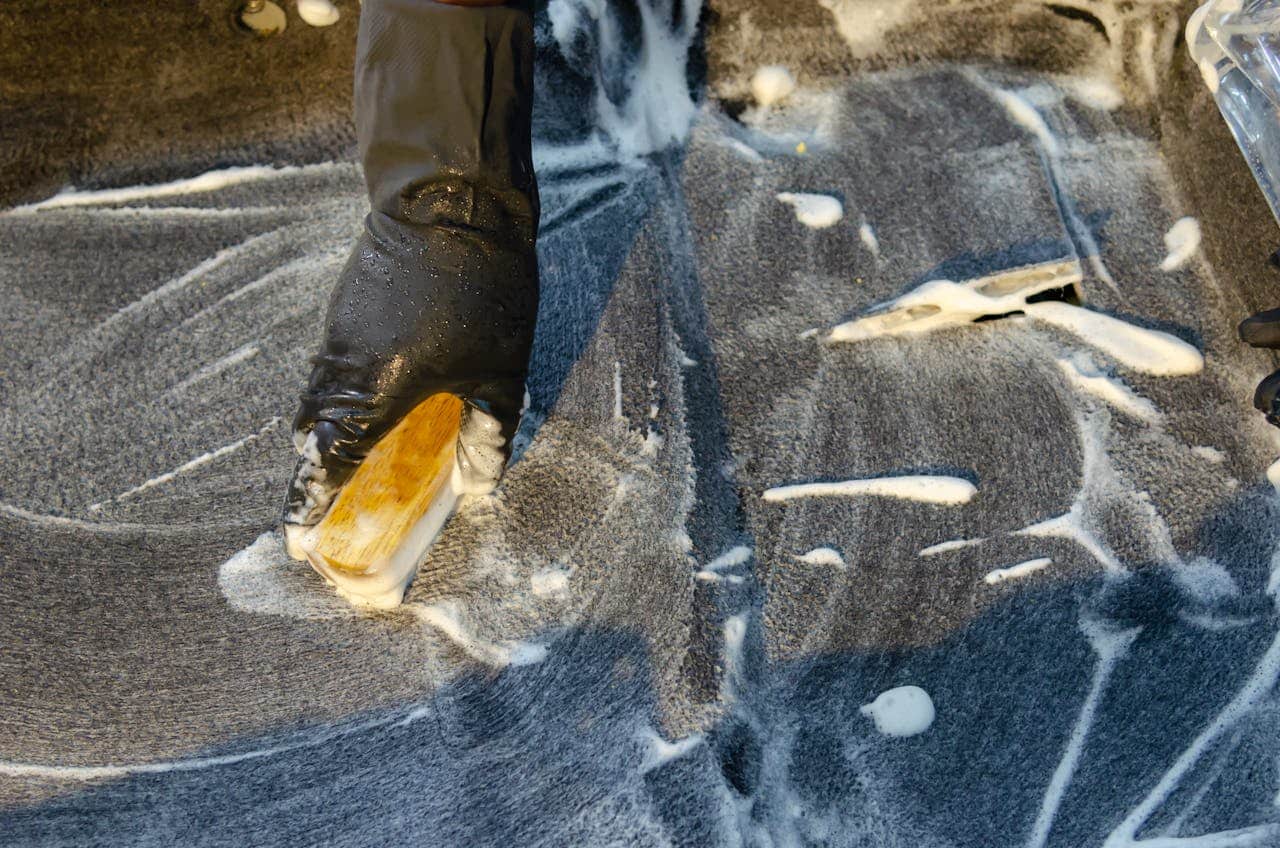
When using any homemade solution, it is important to blot gently rather than scrub and to avoid over-wetting the carpet. Excess moisture can soak into the underlay, leading to longer drying times and potential mould growth. Always test any solution on a small, hidden section of carpet first to ensure it does not affect colour or texture.
White Vinegar
White vinegar is one of the most widely recommended DIY carpet cleaning ingredients. Its mild acidity helps break down dirt, neutralise odours and lift certain types of stains, particularly organic stains such as food or drink spills.
A simple vinegar-based carpet cleaning solution can be made by mixing:
- One cup of white vinegar
- Two cups of warm water
- A few drops of mild washing-up liquid
This mixture can be lightly applied to the affected area using a spray bottle. After application, blot the stain gently with a clean cloth until the liquid is absorbed. Vinegar is particularly useful for neutralising pet odours and refreshing carpets, but it should always be diluted to prevent damage to fibres.
While effective for light cleaning, vinegar alone will not remove deeply embedded dirt or heavy commercial wear.
Baking Soda
Baking soda is primarily used for deodorising carpets rather than deep cleaning them. It works by absorbing odours trapped in the fibres, making it a useful solution for refreshing carpets between cleans.
To use baking soda effectively:
- Sprinkle a generous but even layer over the carpet
- Leave it to sit for several hours, or ideally overnight
- Vacuum thoroughly to remove residue
Baking soda is particularly useful in areas affected by food smells, pets or general stale odours. However, it does not disinfect or provide a deep clean. In high-traffic business environments, baking soda alone is unlikely to maintain required hygiene standards.
Mild Washing Liquid
Mild washing-up liquid is effective for breaking down grease-based stains such as food spills or oily marks. When diluted correctly with warm water, it can lift surface dirt without being too harsh on carpet fibres.
Only a small amount should be used, as excessive detergent can leave behind sticky residue. Residue not only attracts further dirt but can also make carpets appear dull over time. After applying a diluted solution, the area should be blotted thoroughly and allowed to dry completely.
Like other DIY methods, washing-up liquid works best on fresh, localised stains rather than widespread soiling.
Professional Cleaning Solutions For Businesses
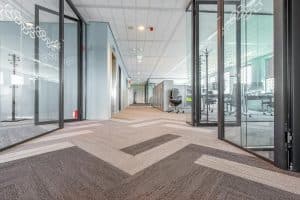
While homemade solutions can be helpful for small domestic areas, commercial environments require a far more robust approach. Offices, schools, retail spaces and warehouses experience high levels of foot traffic, meaning carpets accumulate embedded dirt, allergens and bacteria that cannot be removed with surface treatments alone.
Professional carpet cleaning services use specialist equipment and commercial-grade products designed for deep extraction and fast drying. One of the most effective methods is hot water extraction, often referred to as steam cleaning. This process injects heated cleaning solution deep into the carpet and then extracts it along with dirt and contaminants, providing a far more thorough clean than DIY methods.
For commercial premises, carpet cleaning should form part of a structured maintenance plan rather than relying on occasional spot treatments. Professional cleaning ensures consistent standards, protects your flooring investment and contributes to a healthier working environment for staff and visitors alike.