What Is Fogging Cleaning?
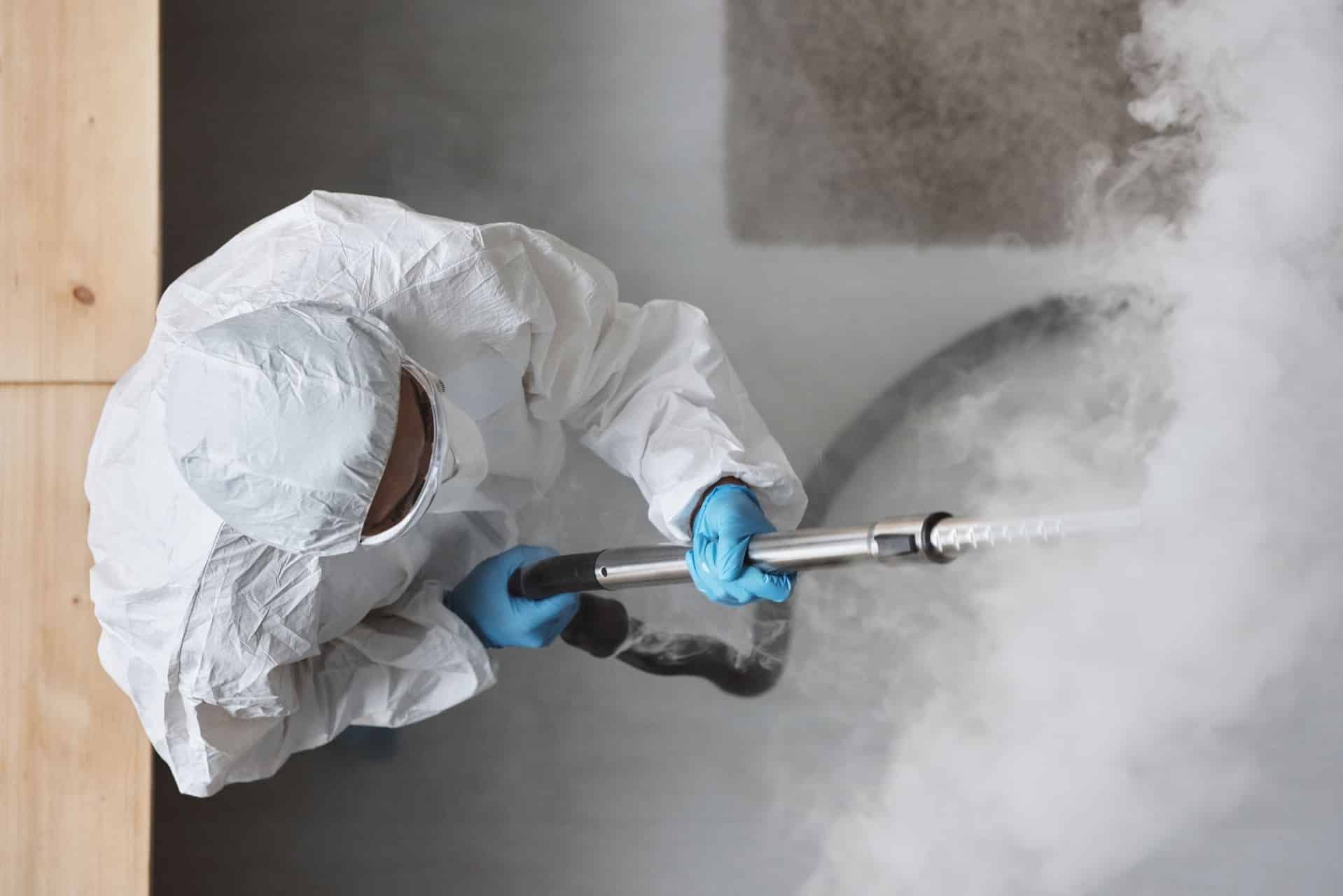
Fogging cleaning is a professional method that uses a machine to disperse a fine mist of a suitable disinfecting product throughout an enclosed area. The mist can settle across exposed surfaces and reach areas that may be difficult to treat using traditional methods.
The process is designed to support enhanced hygiene in commercial environments where thorough disinfection is important. However, fogging should be part of a wider cleaning process rather than being treated as a replacement for normal cleaning.
Before treatment begins, the area must be prepared correctly. Visible dirt and contamination should be removed, while people, animals and sensitive items are kept away from the treatment area.
How Does Fogging Cleaning Work?
The fogging process begins with preparing the room and checking that the selected product and equipment are appropriate. A trained operator uses a fogging machine to release a controlled fine mist into the enclosed space.
The mist spreads through the room and can help with disinfecting hard-to-reach surfaces and locations. This can be particularly useful where furniture, fittings or room layouts make manual access difficult.
The treatment time depends on the equipment, product and size of the area. Once treatment is complete, the space needs suitable ventilation before it can be safely occupied again.
Always follow the manufacturer’s instructions. Correct application, contact time and ventilation are essential parts of the cleaning process.
What Is Fogging Cleaning Used For?
Fogging cleaning may be suitable for commercial environments that require additional disinfection. These can include care homes, healthcare facilities, offices, schools, hospitality premises, warehouses and other workplaces.
It can be useful when large areas need to be treated or when certain exposed surfaces are difficult to access manually. The method may also support cleaning after contamination incidents or during planned deep-cleaning work.
However, the suitability of fogging depends on the environment and the type of contamination involved. A professional assessment should be completed before deciding whether fogging is appropriate.
Benefits of Fogging Cleaning
One of the main benefits of fogging is its ability to distribute a treatment across a prepared enclosed space. The fine mist can cover exposed surfaces and help reach areas that may otherwise be overlooked.
When used correctly, fogging can provide highly effective additional disinfection for suitable environments. It can also support professional cleaning solutions where enhanced hygiene is required.
Another advantage is its potential application across large areas. Instead of treating individual surfaces one at a time, the machine can disperse the selected product throughout the prepared room.
Despite these benefits, fogging does not remove the need for physical cleaning. Dirt, dust and other contamination should still be removed using appropriate methods before disinfection takes place.
Is Fogging Cleaning Safe?
Safety must be a priority during disinfection fogging. The chemicals used can create risks if they are inhaled, touched or applied incorrectly. For this reason, fogging should only be carried out using suitable equipment, products and safety procedures.
The Health and Safety Executive provides guidance on fogging and misting using space sprayers. Businesses should complete an appropriate risk assessment and follow the instructions supplied by the chemical and equipment manufacturers.
The treatment area should remain restricted while fogging is taking place. Staff, visitors and other occupants should not enter until the required safety conditions have been met.
Care should also be taken around electrical equipment and other sensitive items. The selected product and application method should be checked for compatibility to help prevent damage.
Fogging Cleaning vs Traditional Cleaning
Traditional cleaning normally involves physical actions such as wiping, washing, mopping or scrubbing to remove dirt and contamination. Disinfection may then be carried out where necessary.
Fogging works differently by dispersing a product as a fine mist throughout a suitable enclosed space. It may provide additional coverage, particularly when disinfecting hard to reach areas is difficult.
The two approaches can work together. Thorough manual cleaning removes contamination, while appropriate fogging can provide an additional disinfection treatment where a risk assessment identifies a need.
When Should a Business Consider Fogging?
A business may consider fogging when an enclosed commercial area requires enhanced disinfection. It could be considered after a contamination incident, during a planned deep clean or when a large space contains areas that are difficult to treat manually.
The decision should always be based on the requirements of the premises. Fogging is not automatically the best solution for every environment.
A professional cleaning provider can assess the space, identify potential risks and recommend suitable cleaning solutions. This helps ensure that the chosen method is appropriate for the surfaces, occupants and intended use of the area.
Choosing a Professional Fogging Cleaning Service
A professional provider should understand the correct use of fogging equipment, chemical safety, ventilation and infection prevention procedures. Staff should be appropriately trained and understand the risks associated with the products they use.
Before booking a service, businesses should ask how the area will be prepared, what product will be used and how long the premises must remain unoccupied. They should also check whether suitable risk assessments and safety procedures are in place.