Cleanliness is often judged by what we can see. But a truly clean space is about more than neat surfaces. Many cleaning myths shape how often areas should be cleaned, which cleaning products work best, and whether a surface that looks clean is also hygienic. Understanding these common misconceptions about cleanliness can help businesses choose better routines and use professional cleaning services that deliver steady results.
For offices, schools, healthcare settings, retail sites, and other commercial spaces, effective cleaning takes more than removing visible dirt. It needs the right methods, suitable products, trained staff, and regular checks.
Common Cleaning Myths
Myth 1: If a Surface Looks Clean, It Is Clean
One of the most common misconceptions about cleanliness is that sight tells you everything. A desk, floor, or touched surface may look spotless and still need proper cleaning.
Dust, residue, and germs are not always visible to the naked eye. That is why professional cleaning should follow set procedures, not just what people can see.
A thorough cleaning routine should match the surface, how often it is used, and the type of space. This matters in workplaces and shared buildings, where many people use the same areas during the day.
Myth 2: Stronger Cleaning Products Always Work Better
Another common misconception is that the strongest cleaning products will always give the best result. In reality, the best product is the one that fits the surface and the task.
Using the wrong product can damage surfaces or add risk. Professional cleaners should know product labels, proper use, and safe handling.
CCS takes a careful view of cleaning products and uses eco-friendly cleaning products and methods where it can.
The goal should always be effective cleaning, along with the right and responsible product choice.
Myth 3: More Cleaning Product Means a Cleaner Surface
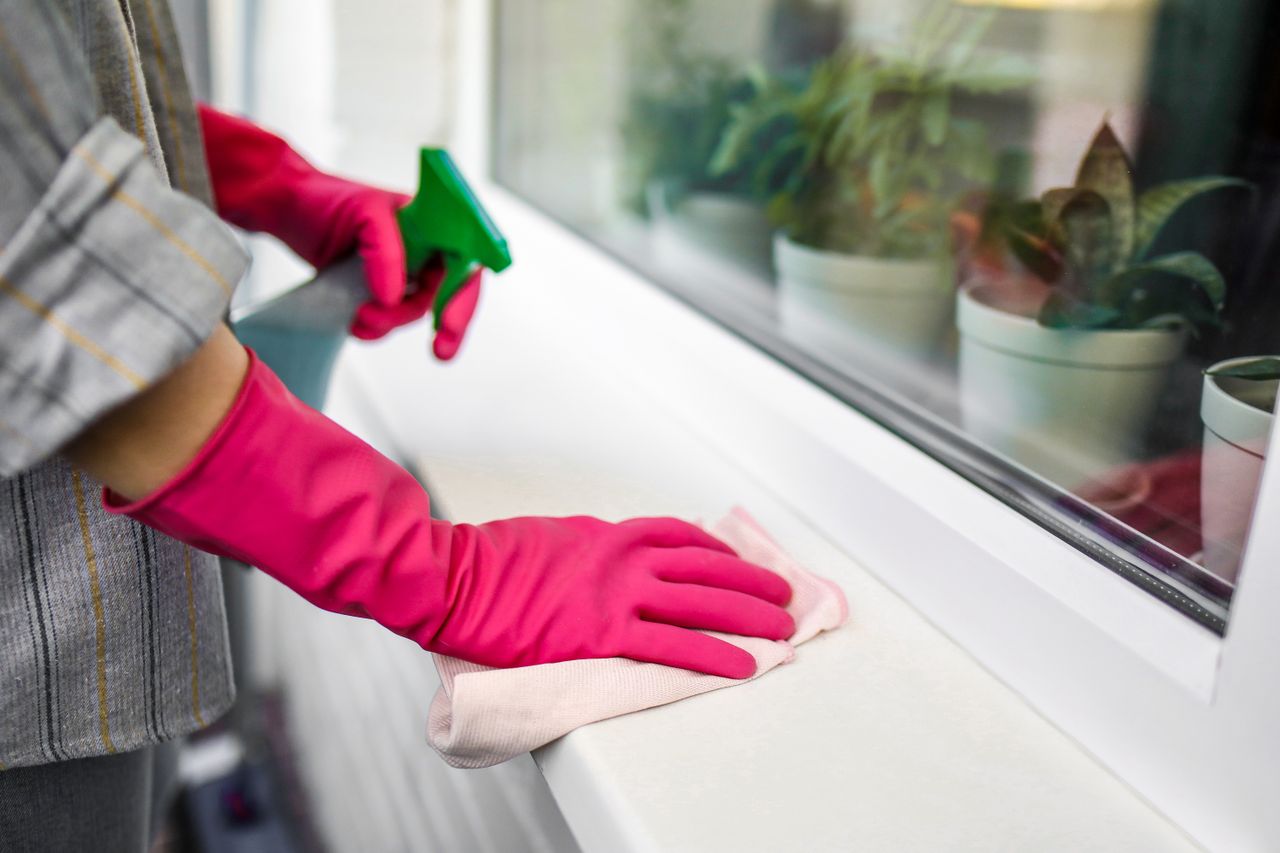
Using too much cleaning product does not make a surface cleaner. In some cases, it can leave residue or make surfaces harder to maintain.
Professional cleaning is about the right method and the right amount, not about using more. Following the maker’s guide matters for both cleaning results and safe use.
This is another reason trained professional cleaners add value. They know that different surfaces and tasks need different methods.
Myth 4: Cleaning and Disinfection Are the Same Thing
Cleaning and disinfection are linked, but they are not the same. Cleaning removes dirt, dust, and other unwanted material from a surface. Disinfection uses the right methods or products to reduce germs.
Not every cleaning task needs the same level of treatment. The right approach depends on the space, the surface, and the situation.
CCS provides specialist disinfection services alongside its wider commercial cleaning offer. This helps cleaning needs match the premises, instead of treating every surface in the same way.
Myth 5: Professional Cleaning Is Only About Appearance
A clean-looking workplace can make a good first impression, but professional cleaning brings more than looks.
Regular cleaning helps businesses keep professional spaces for staff, customers, visitors, and other building users. It also supports workplace hygiene and helps protect the overall condition of facilities.
For this reason, commercial cleaning should be seen as part of good premises management, not just as an aesthetic service.
CCS provides commercial cleaning services for offices, schools, healthcare settings, industrial premises, and retail spaces. Its approach includes cleaning assessments, clear specifications, and regular inspections to help maintain agreed standards.
Myth 6: Every Cleaning Routine Should Be the Same
There is no single cleaning schedule that works for every building. A small office has different needs from a busy school, healthcare site, or industrial premises.
Foot traffic, opening hours, building use, and available facilities all affect cleaning needs.
A professional cleaning company should assess the site and create a cleaning specification based on the real need. CCS carries out cleaning and risk assessments when contracts begin, helping set daily, weekly, and monthly cleaning tasks.
This tailored approach can work better than using the same checklist for every property.
Myth 7: Eco-Friendly Cleaning Cannot Deliver Professional Results
Some people still think that environmentally conscious cleaning products are weaker than standard options. That view is now outdated.
Eco-friendly cleaning products can be part of professional cleaning when they are chosen for the task. The key point is whether the product and cleaning method fit the surface and the required standard.
The choice of cleaning products should therefore be based on performance, fit, and responsible use, not on guesses about whether a product is environmentally friendly.
Myth 8: Cleaning Only Matters When Something Is Dirty
Waiting until dirt is easy to see can allow dust, waste, and residue to build up. A steady cleaning plan is usually more effective than cleaning only when problems become visible.
Regular cleaning also makes it easier to keep agreed standards across a building. For commercial premises, scheduled cleaning can help businesses give a steady professional environment instead of dealing with neglected areas again and again.
This matters most in high-use spaces such as entrances, washrooms, kitchens, shared areas, and touched surfaces.
Why Common Misconceptions About Cleanliness Matter
Many cleaning myths come from the idea that cleanliness is only about what we can see. In practice, effective cleaning depends on the right products, methods, frequency, and skill. Understanding common misconceptions about cleanliness can help businesses make better choices about their premises.
By looking beyond common cleaning myths, businesses can build practical cleaning routines that support a professional, safe, and well-kept environment. For organisations looking for professional commercial cleaning support, CCS provides tailored cleaning solutions across a range of sectors throughout the South West.