How Does Disinfectant Work? A Guide to Effective Surface Sanitisation
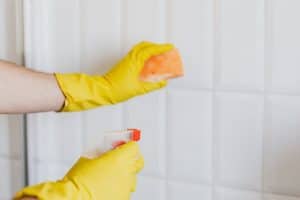
After handling raw food, you grab a disinfectant spray, give the counter a quick wipe, and toss the paper towel. The surface looks clean, the job feels done, but is it? That single, common action often creates a false sense of security, leaving behind a microscopic battlefield you thought you had conquered.
The difference between a counter that appears clean and one that is truly disinfected comes down to a science most of us were never taught. Your disinfectant spray needs time to fight its invisible war. In practice, when you spray and immediately wipe, you’re often removing the active ingredients before they can do their job, a detail confirmed by the fine print on the product itself.
So, how does disinfectant work, and what does it take to ensure you’re actually getting that “99.9% kill” promised on the bottle? Using disinfectant effectively is the key to protecting your home, turning that quick, hopeful wipe into a confident, powerful clean.
The Critical Difference Between Cleaning, Sanitising, and Disinfecting
Did you clean, sanitise, or disinfect? While we often use these words interchangeably, they represent a crucial three-step ladder in the fight against germs, and getting the order right is essential.
Think of it this way: you can’t mop a muddy floor effectively. You have to sweep up the dirt first. The same rule applies to germs. Dirt, food residue, and grime create a physical shield that protects germs from disinfectants. If you spray a disinfectant on a visibly dirty surface, you’re just giving the germs a chemical bath; not killing them. That’s why you must always clean a surface before you can effectively disinfect it.
To use the right tool for the job, it’s helpful to know what each term means. They form a hierarchy of germ-fighting power:
- CLEANING: Physically removes dirt, grime, and some germs using soap and water. It’s the essential first step that gets rid of the mess you can see.
- SANITISING: Lowers the number of germs to a safe level. This is a good option for surfaces that have regular contact with food, like a kitchen counter or high chair tray.
- DISINFECTING: Uses chemicals to kill nearly 100% of the germs on a surface. This is the heavy-hitter you need for high-touch, high-risk areas like toilets, doorknobs, and sinks.
Understanding this difference gives you the power to choose the right action for any situation, ensuring your home isn’t just “surface clean” but truly healthy.
Alcohol, Bleach, and Beyond: Matching the Right Weapon to the Job
The “active ingredients” listed on a disinfectant bottle are the specific weapons that carry out these attacks. Different ingredients are suited for different missions.
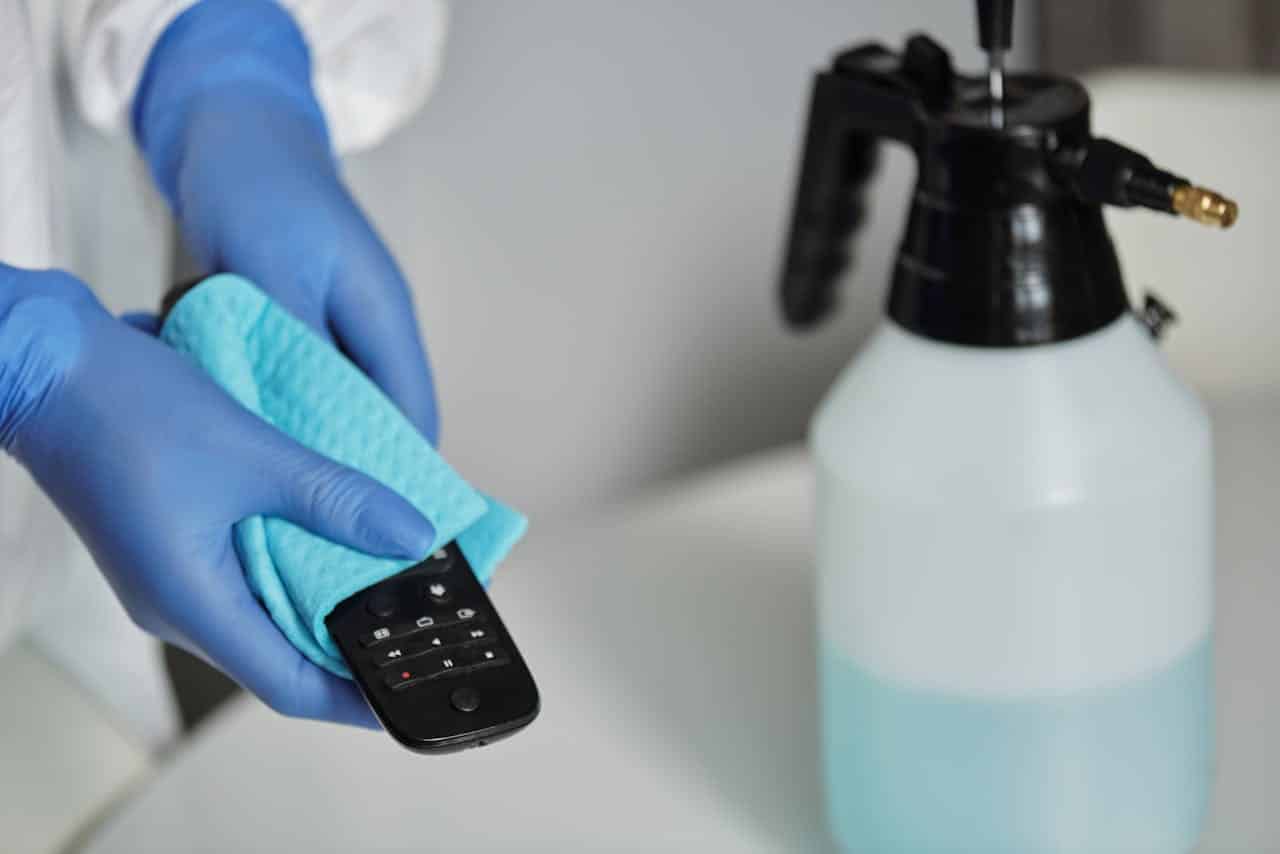
Take alcohol, for instance. It’s a master of attacking the outside. By rapidly dissolving a germ’s protective outer membrane, alcohol essentially causes it to burst. This makes alcohol-based wipes perfect for hard, non-porous items that need a quick, residue-free clean, like your phone or TV remote. Its major downside is that it evaporates almost instantly, which means it might not stay on a surface long enough for bigger jobs.
For a more heavy-duty fight, you have bleach (sodium hypochlorite). It specialises in scrambling the insides. Bleach unleashes a chemical assault that permanently wrecks a germ’s internal proteins. This raw power makes it ideal for disinfecting bathroom surfaces or a non-porous cutting board after contact with raw meat. Its strength is also its weakness, as it’s harsh and must be used with care.
The Single Most Important Rule of Disinfecting
If you spray a surface and immediately wipe it dry, you might as well be using water. The “Kills 99.9% of germs” promise on the label comes with a major condition that most of us miss. The chemical battle between the disinfectant and the germs isn’t instantaneous; it takes time to do their job.
This crucial waiting period is called contact time or dwell time. It’s the minimum amount of time a surface must stay visibly wet for the disinfectant to successfully kill the germs listed on its label. For some products, this might be 30 seconds. For others, it could be up to 10 minutes. Without meeting this time, you aren’t truly disinfecting.
To put this into practice, make it a habit to check the back of the bottle for instructions like, “To disinfect, the surface must remain wet for 4 minutes.” The most effective technique is simply to spray and walk away. Let the product sit and do its work for the full time required. This one small change in your routine makes all the difference.
Where Can I Find Disinfectant Services?
At CCS, we provide specialist disinfectant and cleaning service for businesses, schools and healthcare facilities across the South West. With years of experience, high quality equipment, and knowledgeable cleaners, our team are on hand to tackle all your cleaning needs. Get in touch today to receive a no-obligation quote, whether you need a one-off deep clean or regular cleaning schedule.